
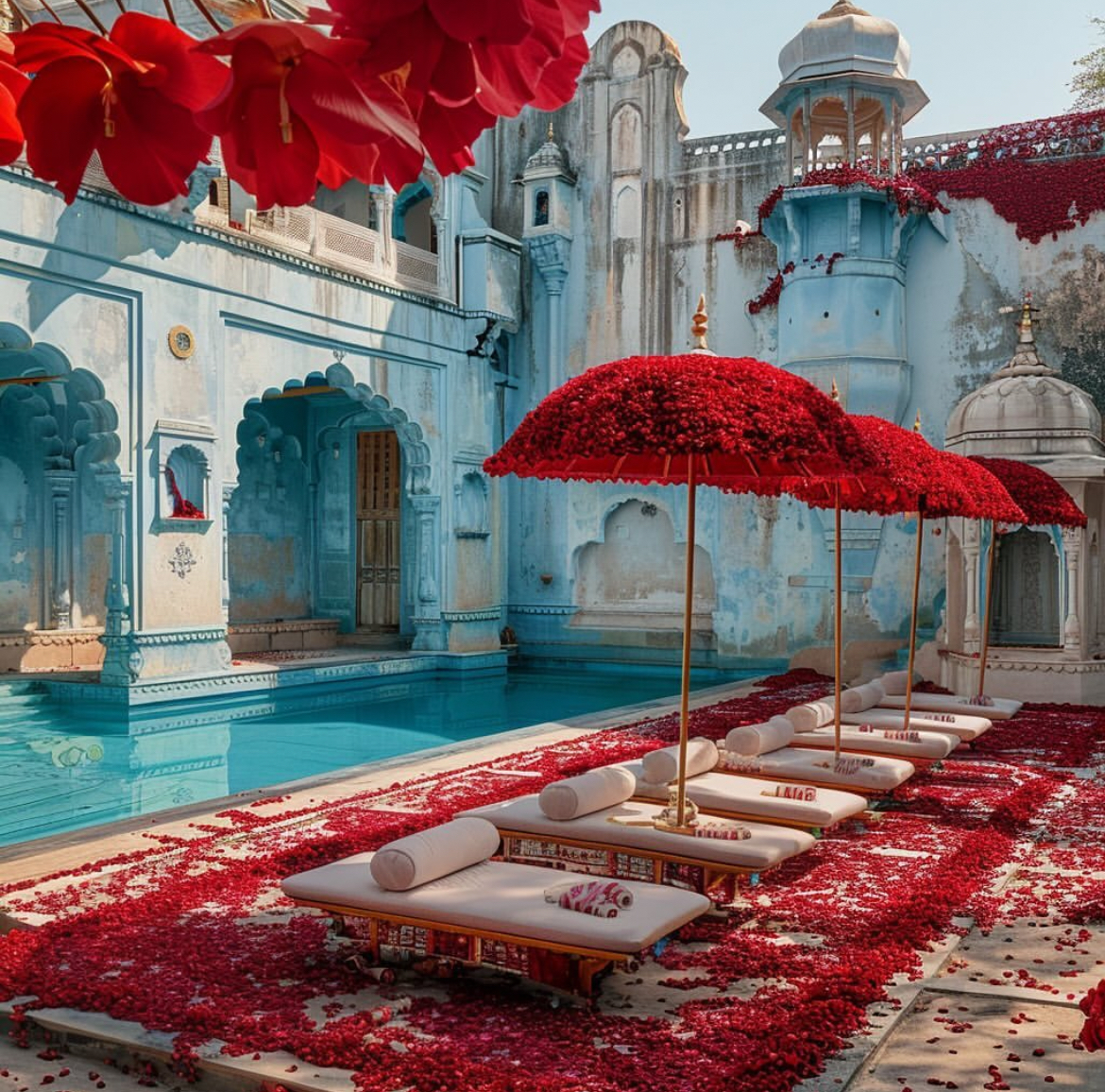
Photo: @reverse.orientalism
There’s something inherently alluring about Oriental-inspired interiors. Rich in symbolism, texture and centuries-old artistry, Oriental design—drawing from Chinese, Japanese and broader East Asian aesthetics—offers a unique blend of serenity and visual drama. Whether you’re craving Zen-like minimalism or the opulence of lacquered finishes and silk screens, bringing an Oriental mood into your home can transform it into a sanctuary of style and balance.
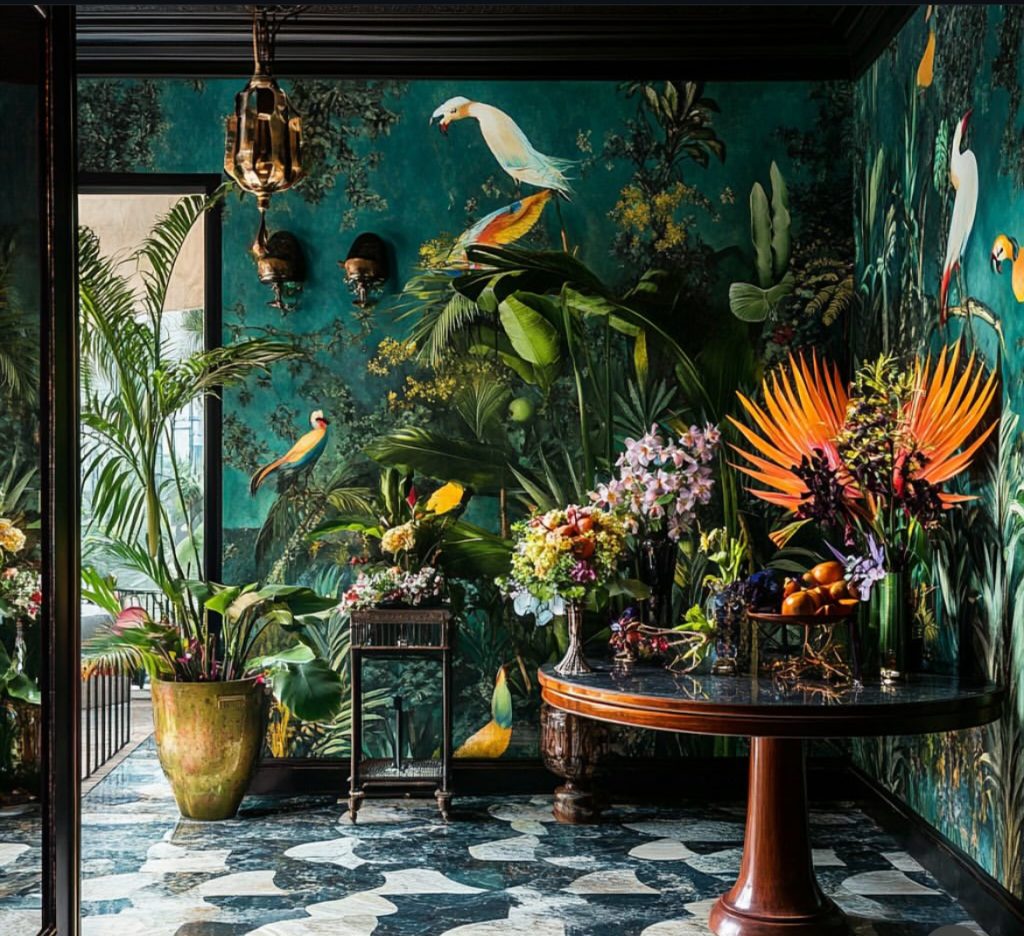
Photo: @reverse.orientalism
Here’s how to infuse your space with the timeless charm and mystique of the East.
1. Start with the Essence: Harmony and Simplicity
At the heart of Oriental design is balance—between nature and structure, colour and calm, ornate and minimal. Unlike Western maximalism, Oriental interiors emphasize thoughtful placement at the space and intentional living.
- Design philosophy: Each object should have a purpose and a place.
- Styling tip: Keep your layout open and uncluttered. Choose furniture with low profiles, clean lines and natural materials.
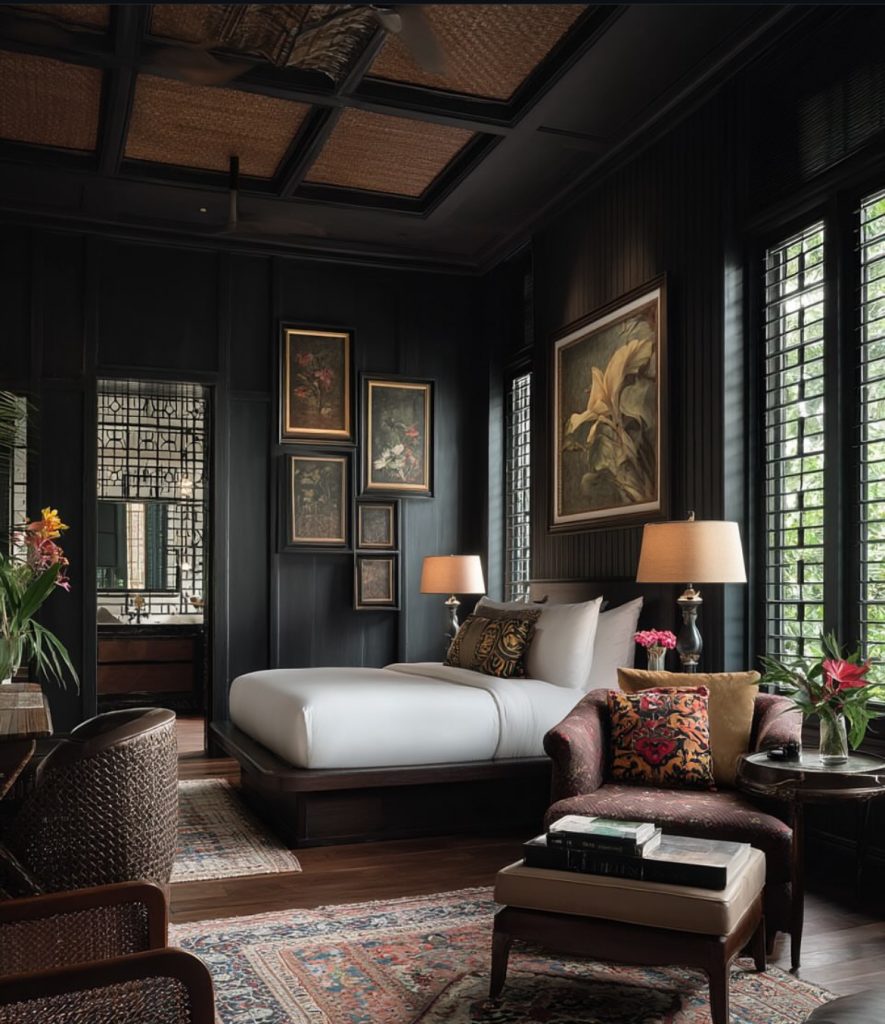
Photo: @reverse.orientalism
2. Natural Materials and Organic Shapes
To channel the Eastern spirit, embrace nature-inspired textures—bamboo, rattan, dark wood, silk, rice paper and stone. These materials add depth and sensory warmth, while honoring the traditional craftsmanship of the region.
- Furniture idea: A bamboo room divider or a rosewood sideboard adds instant authenticity.
- Textural layering: Combine smooth lacquered finishes with woven surfaces or carved wood details.
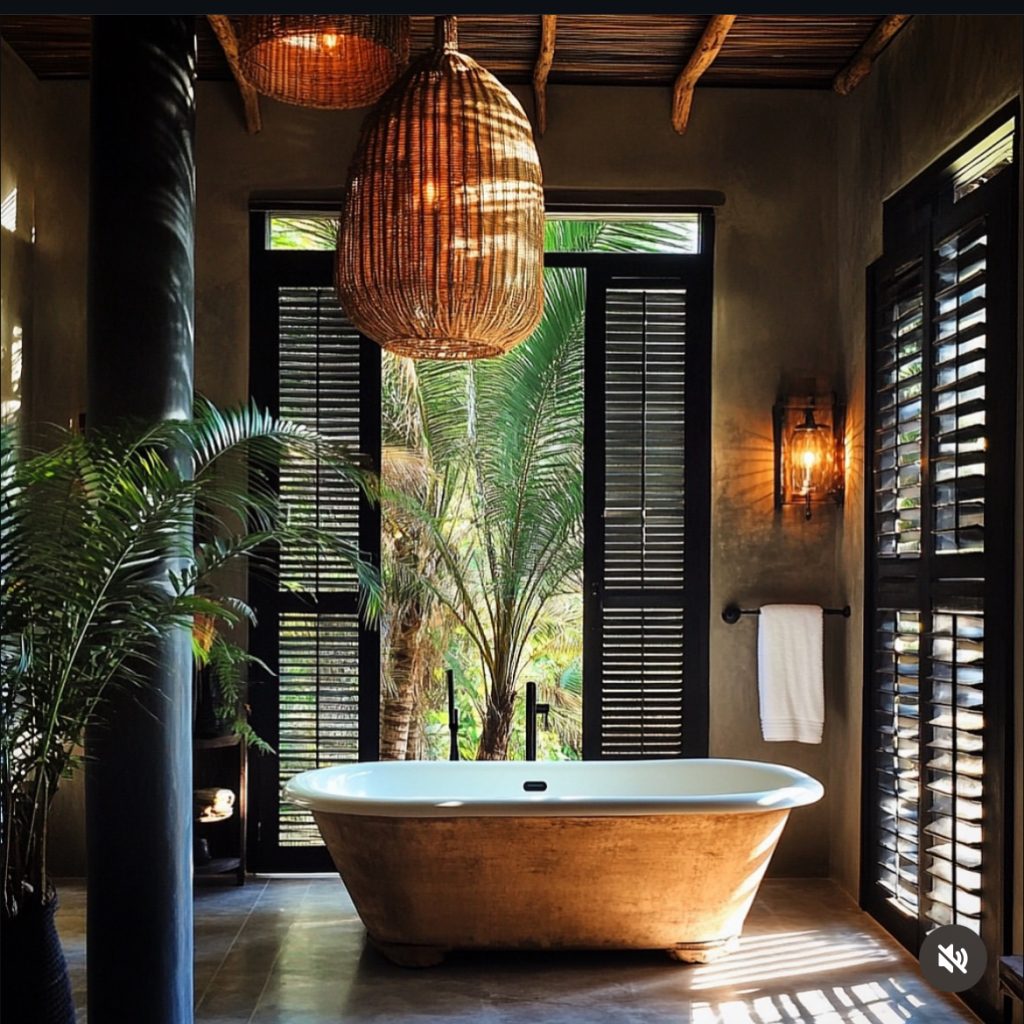
Photo: @baptistebohu
3. Create a Zen Space
Inspired by Japanese interiors, a Zen corner can add a sense of stillness and introspection to any home.
- How to do it: Use tatami mats, floor cushions, and shoji screens to build a peaceful nook for reading, meditating or sipping tea.
- Colour palette: Stick to soft, neutral hues like beige, ivory and stone gray, with accents of sage green or soft charcoal.
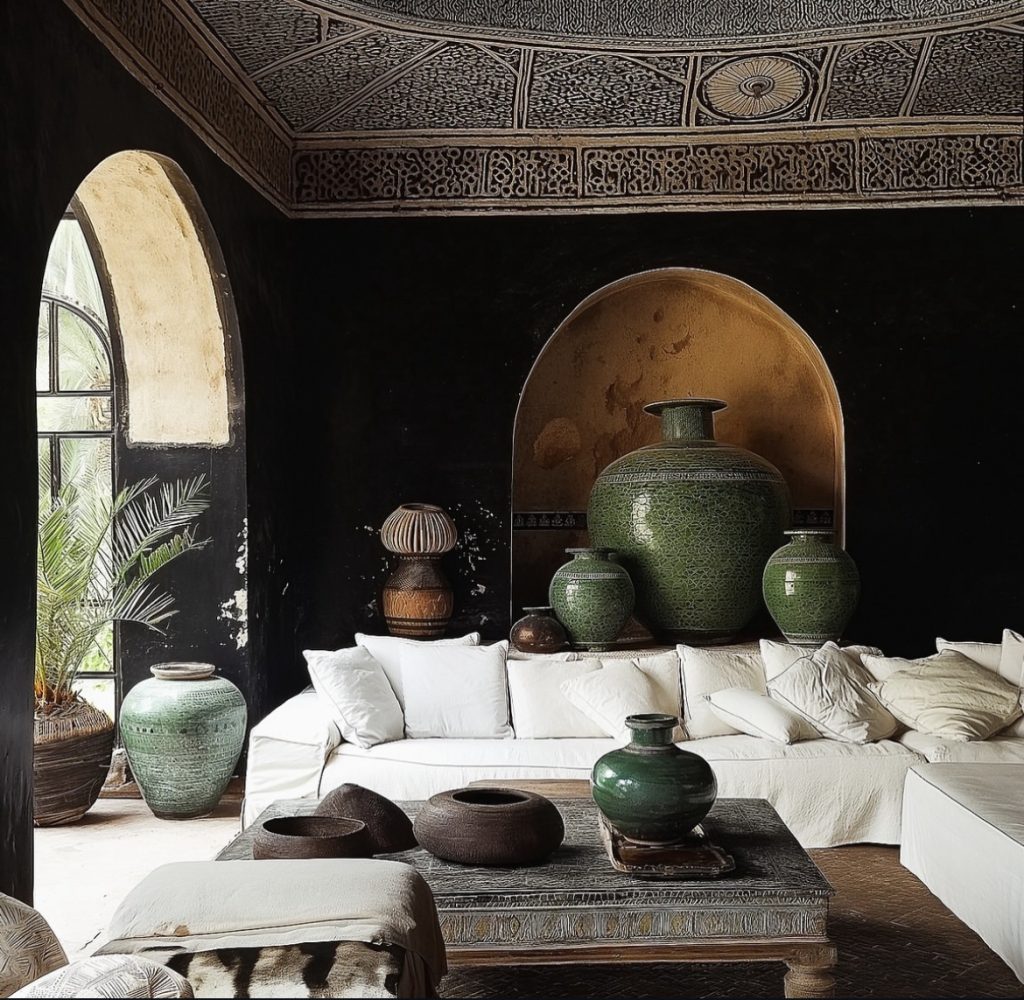
Photo: @baptistebohu
4. Decorative Elements with Storytelling Power
Oriental design loves detail, and every decorative piece often carries symbolic meaning—from cranes and peonies to dragons and calligraphy.
- Key pieces to try:
- Porcelain vases with hand-painted motifs
- Silk or embroidered cushions
- Wall scrolls or vintage fans
- Folding screens with botanical or mythological scenes
Choose a few standout items and allow them to take centre stage in otherwise quiet surroundings.
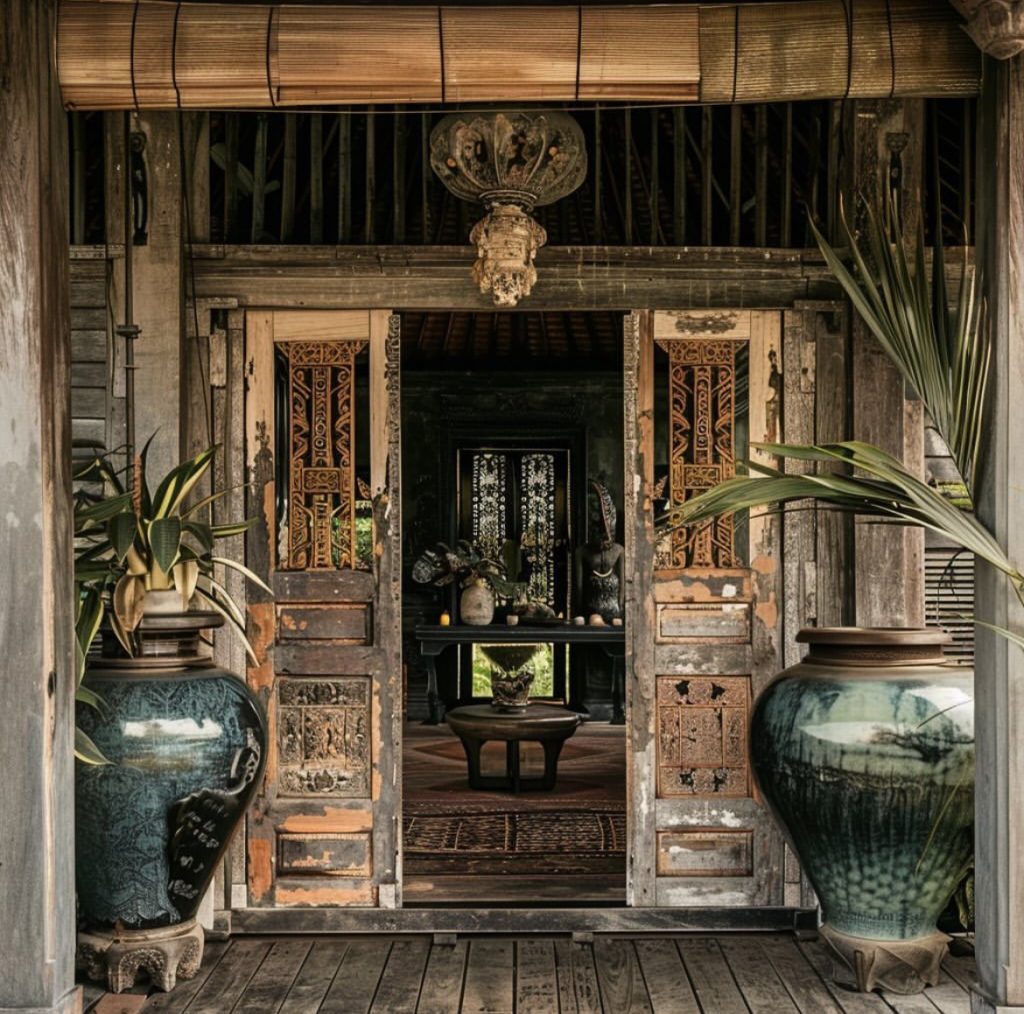
Photo: @reverse.orientalism
5. Use Colour with Intention
Colour in Oriental interiors is never random. It’s symbolic and rich with meaning.
- Deep reds and golds represent prosperity and celebration—perfect for a dramatic dining area.
- Black and white offer balance and purity—great for entryways or living rooms.
- Soft jade, blush and indigo introduce calmness and harmony—ideal for bedrooms and bathrooms.
Accent walls, artwork, or accessories are great ways to bring these colours in without overwhelming the space.
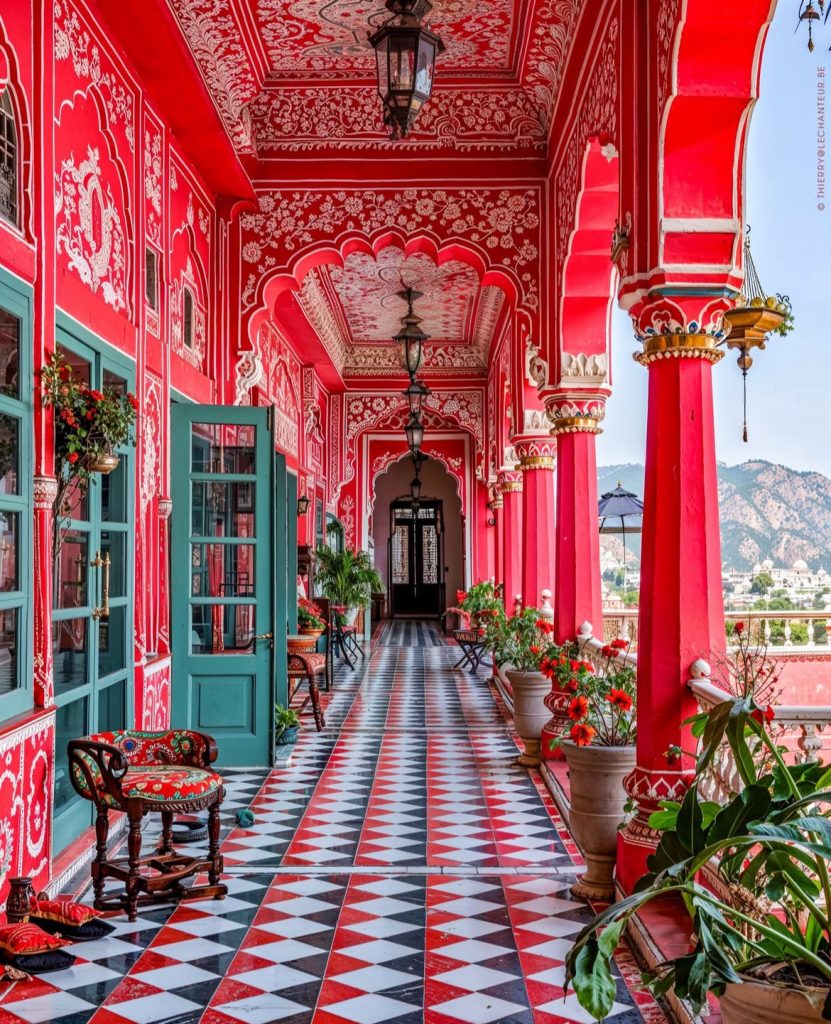
Photo: @thierrylechanteur
6. Lighting That Glows Softly
Forget harsh overhead lighting. Instead, opt for layered, low lighting that casts soft shadows and a warm, inviting glow.
- Fixtures to explore: Paper lanterns, silk-covered lampshades, carved wooden sconces, or hanging pendants with a patinated metal finish.
- Mood tip: Candles and tea lights in ceramic holders enhance the peaceful, intimate vibe.
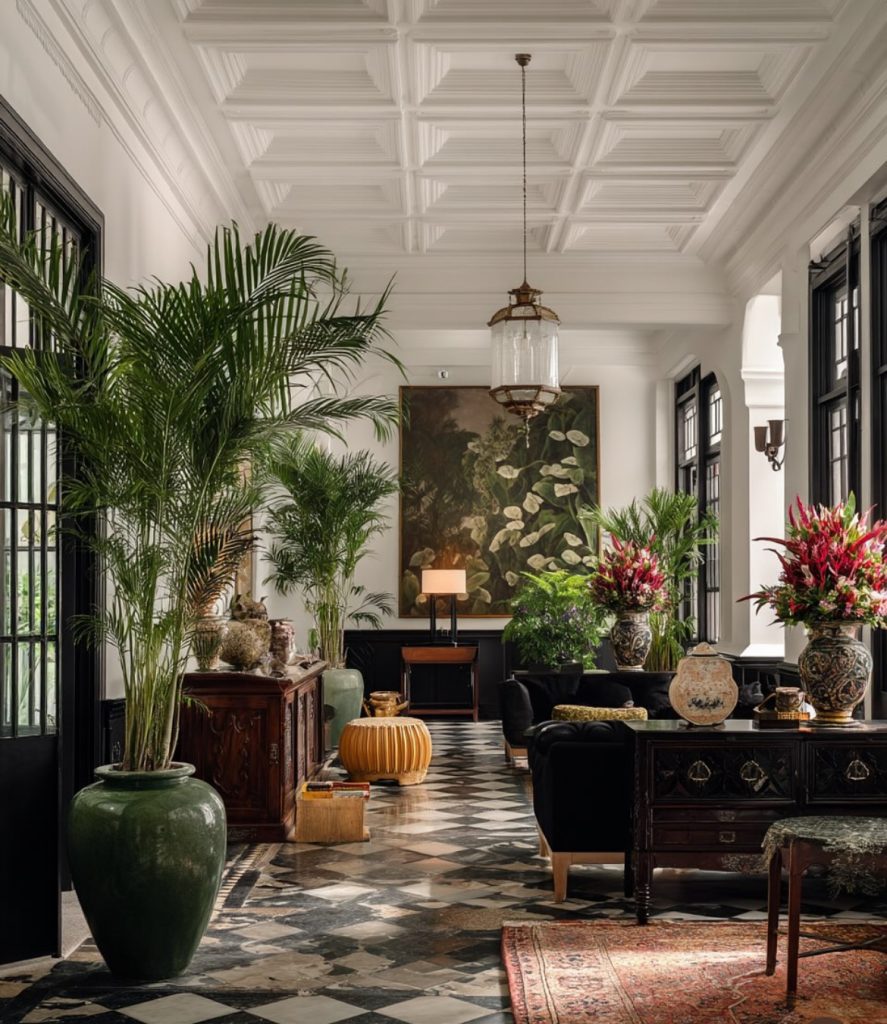
Photo: @reverse.orientalism
7. Mix Old with New for a Contemporary Take
While a purely traditional look can be beautiful, blending Oriental influences with modern elements keeps your space feeling fresh and personal.
- Example: Pair a sleek mid-century sofa with a lacquered coffee table or place antique ceramic stools next to minimalist shelving.
- Modern Orient: Think tonal palettes, clean architecture and just a few standout heritage pieces to create a global yet grounded aesthetic.
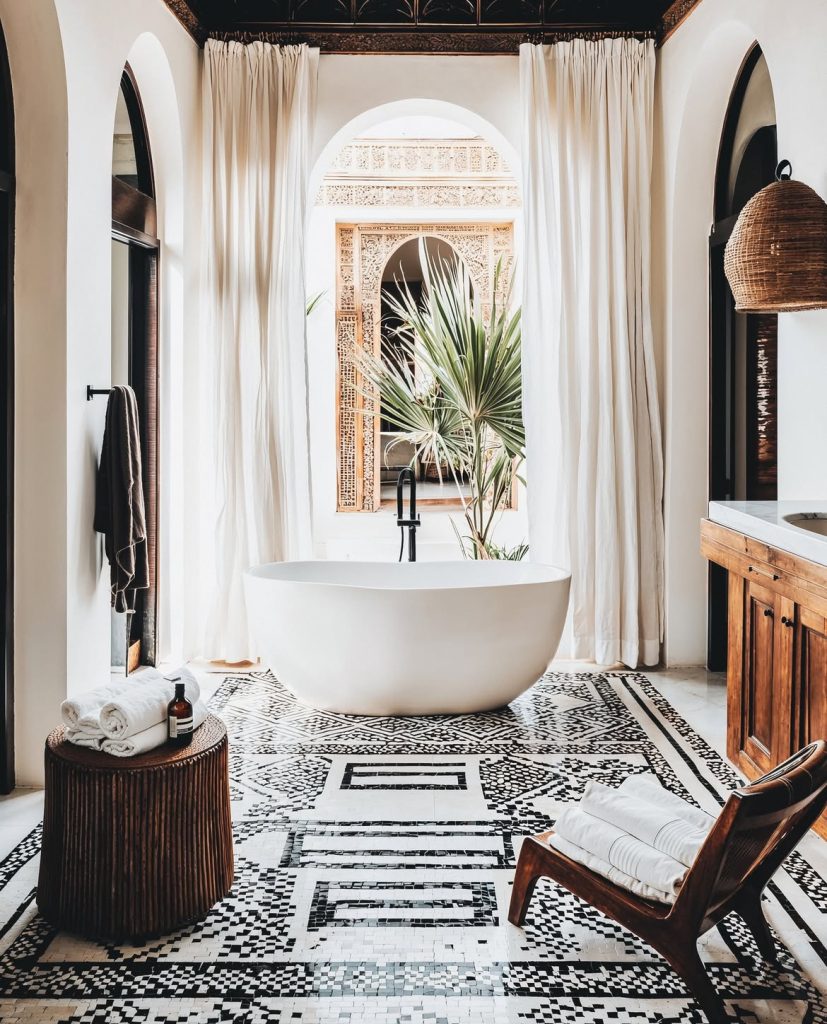
Photo: @aifordesigners
Final Thought: A Home that Breathes Culture
Bringing the Oriental mood into your home isn’t about recreating a themed room—it’s about inviting mindfulness, balance and beauty with intention. Whether you’re drawing inspiration from Japanese Zen, Chinese opulence, or Korean simplicity, the key is authenticity and respect for the cultural origins.
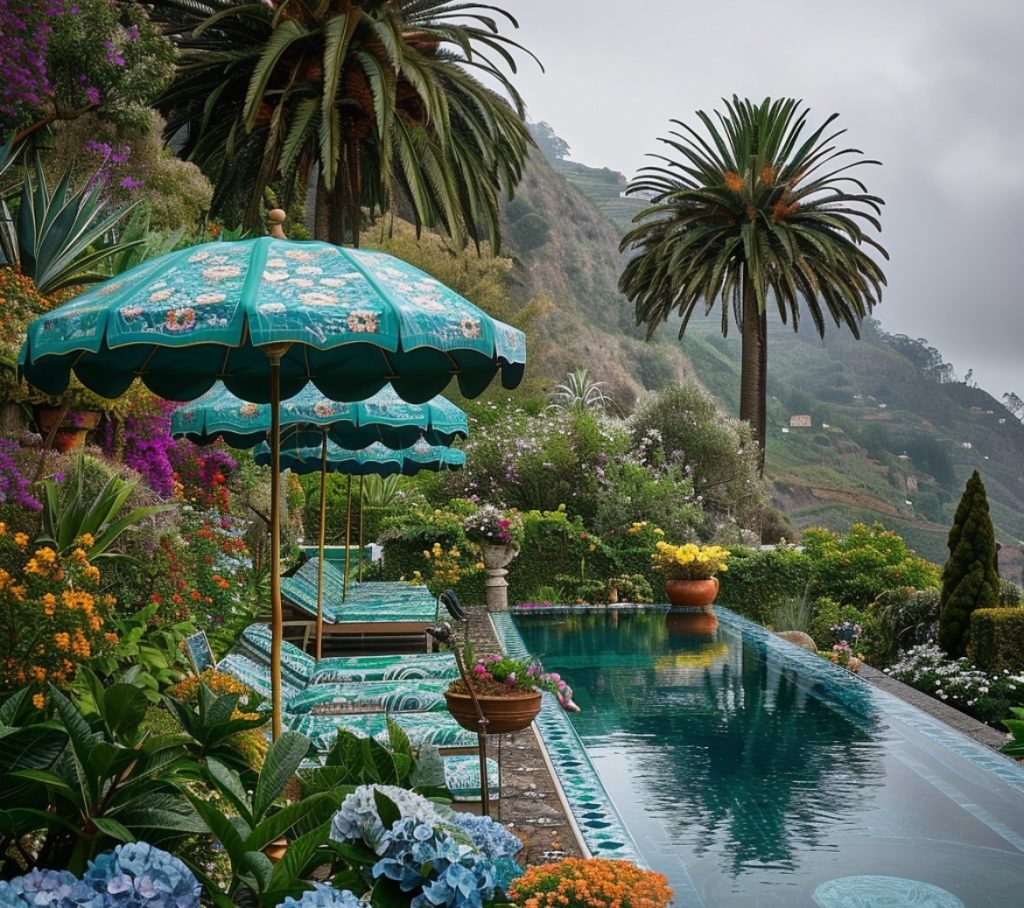
Photo: @reverse.orientalism
Let your space tell a quiet story of the East: refined, rooted in nature and rich with meaning.
Because sometimes, the most powerful design choices are those that calm the mind and nourish the soul.
Until next time!!!
Design geek in Athens